
glass mirror without frame
Understanding Snap Bore Gauges A Comprehensive Guide In the world of precision engineering, accurate measurement is pivotal. Among various tools used for this purpose, snap bore gauges stand out as essential instruments for assessing the internal dimensions of cylindrical objects. This article delves into the diverse aspects of snap bore gauges, including their construction, working mechanisms, applications, and benefits. What is a Snap Bore Gauge? A snap bore gauge is a specialized measurement tool designed to measure the internal diameters of holes, cylinders, and other cylindrical features with high precision. Unlike external measuring tools such as calipers, snap bore gauges are specifically tailored for internal dimensions, making them indispensable in fields such as manufacturing, mechanical engineering, and quality control. Construction of Snap Bore Gauges The typical snap bore gauge consists of a few key components 1. Body The main structure, often made of durable material like stainless steel, holds the gauge’s components. 2. Measuring Heads These are spring-loaded arms that expand to contact the internal surface of the bore or hole being measured. 3. Alignment Features Some models come equipped with alongside or centering points, allowing the user to precisely position the gauge within the bore. 4. Measuring Mechanism This includes the dial indicator or electronic display that shows the measurement readout, providing immediate feedback to the user. The design may vary depending on the specific type of snap bore gauge, but the underlying principle remains the same to facilitate accurate measurement of internal dimensions. Working Mechanism snap bore gauge Using a snap bore gauge involves a straightforward process. Here are the steps typically followed 1. Preparation Ensure that the gauge is clean and free from any debris that could affect measurement accuracy. If the gauge includes a calibration feature, check it before use. 2. Insertion Gently insert the snap bore gauge into the bore or hole. The measuring heads should be positioned so that they can contact the inner walls. 3. Expansion Activate the mechanism to expand the gauging tips. This usually involves pushing a trigger or turning a knob, allowing the measuring heads to make contact with the bore walls. 4. Measurement Once the measuring heads are in contact with the bore’s interior, the user can take note of the measurement displayed on the dial or digital readout. 5. Retrieval and Adjustment Carefully withdraw the gauge and assess whether further measurements are necessary. Repeat the process as required for different spots within the bore to ensure uniformity. Applications Snap bore gauges find extensive application across various industries, including - Manufacturing Ensuring that machined parts meet specified tolerances. - Automotive Industry Measuring engine block bores and other critical components. - Aerospace Checking the internal dimensions of precision components. - Quality Control Conducting inspections to maintain product standards. Their ability to provide immediate, accurate readings helps streamline production processes and maintain quality control, minimizing costs related to errors and rework. Benefits of Snap Bore Gauges 1. Precision Snap bore gauges provide highly accurate measurements, critical for applications demanding tight tolerances. 2. Ease of Use Even users with minimal technical expertise can operate these gauges effectively. 3. Versatility They can measure holes in various shapes and sizes, accommodating diverse industrial applications. 4. Durability Made from robust materials, snap bore gauges are designed to withstand the rigors of industrial environments. In summary, snap bore gauges are indispensable tools for anyone involved in precision measurement of internal dimensions. Their simple design, ease of use, and accuracy make them a favored choice in numerous applications, contributing significantly to the quality assurance processes in manufacturing and engineering. Understanding their function and capabilities can aid professionals in choosing the right tools for their measurement needs and consequently enhance the efficiency of their operations.
about
glass mirror without frame
The Versatility and Importance of 20% Butterfly Valves Butterfly valves are one of the most widely used types of quarter-turn valves in various industries, owing to their simplicity, effectiveness, and reliability. Among the different configurations available, the 20% butterfly valve stands out as a crucial choice for many applications, particularly in control systems where flow regulation is essential. This article explores the features, advantages, and applications of 20% butterfly valves. Understanding Butterfly Valves Butterfly valves consist of a disc that rotates around a shaft. When the valve is closed, the disc is perpendicular to the flow of the fluid, effectively sealing the system. Conversely, when the valve is open, the disc aligns with the flow, allowing for smooth passage. The 20% butterfly valve typically refers to a valve designed to throttle up to 20% of the total flow, making it ideal for situations where precise control over the fluid’s flow rate is required. Key Features 1. Compact Design One of the most significant advantages of the 20% butterfly valve is its lightweight and compact design, which allows for easy installation in tight spaces. This feature is particularly beneficial in environments where traditional valves may not fit. 2. Quick Operation The quarter-turn operation enables rapid opening and closing, making it highly efficient in processes requiring frequent adjustments. This advantage reduces downtime and helps maintain system efficiency. 3. Excellent Flow Control The ability to control fluid flow effectively is paramount in many applications. The 20% butterfly valve provides precise flow modulation, ensuring that systems can operate under the desired conditions without the risk of overloading. 4. Material Variety 20% butterfly valves can be manufactured from a variety of materials, including stainless steel, PVC, and cast iron, catering to numerous industrial needs and environments. This versatility makes them suitable for handling different types of fluids, including corrosive substances and high-temperature applications. Advantages of Using 20% Butterfly Valves 1. Cost-Effective Compared to other valve types, butterfly valves are generally more affordable due to their simple design and manufacturing processes. This cost-effectiveness extends to maintenance, as fewer parts often lead to lower service expenses. 20 butterfly valve 2. Energy Efficiency By providing precise flow control, 20% butterfly valves help optimize energy consumption. Efficient flow regulation reduces the energy needed to pump fluids through systems, ultimately decreasing operational costs. 3. Minimal Pressure Drop Butterfly valves, including the 20% variant, typically exhibit lower pressure drops when compared to other valve types. This characteristic enhances system efficiency and reduces the risk of cavitation and surge. Applications The applications of 20% butterfly valves are diverse and span multiple industries, including - Water Treatment In municipal and industrial water treatment facilities, these valves are employed to control the flow of water and chemicals used in various processes, ensuring optimal treatment outcomes. - Food and Beverage The food and beverage industry uses 20% butterfly valves for their ability to handle sterile processes and maintain hygiene. They regulate the flow of liquids, such as juices, beer, and dairy products, with high precision. - HVAC Systems In heating, ventilation, and air conditioning (HVAC) systems, butterfly valves are used to control airflow, contributing to the efficient regulation of temperature and air quality. - Chemical Processing The ability to manage corrosive materials safely makes the 20% butterfly valve a staple in chemical processing plants. They can maintain flow consistency and control, crucial for safe processing. Conclusion In conclusion, the 20% butterfly valve is a vital component in modern industrial applications. Its design promotes energy efficiency, cost-effectiveness, and superior flow control, making it an excellent choice for a variety of systems. As industries continue to pursue greater efficiency and reliability in their operations, the role of butterfly valves is likely to grow even more significant. Understanding the benefits and applications of these valves allows engineers and decision-makers to make informed choices that enhance their systems' performance and sustainability.
-

High quality industrial productsagement

High quality industrial products
View Details -

Meet the diverse needs of customers

Meet the diverse needs of customers
View Details -

Strict quality control

Strict quality control
View Details -

Top raw materials

Top raw materials
View Details -

Trusted supplier

Trusted supplier
View Details
Our application

news and information
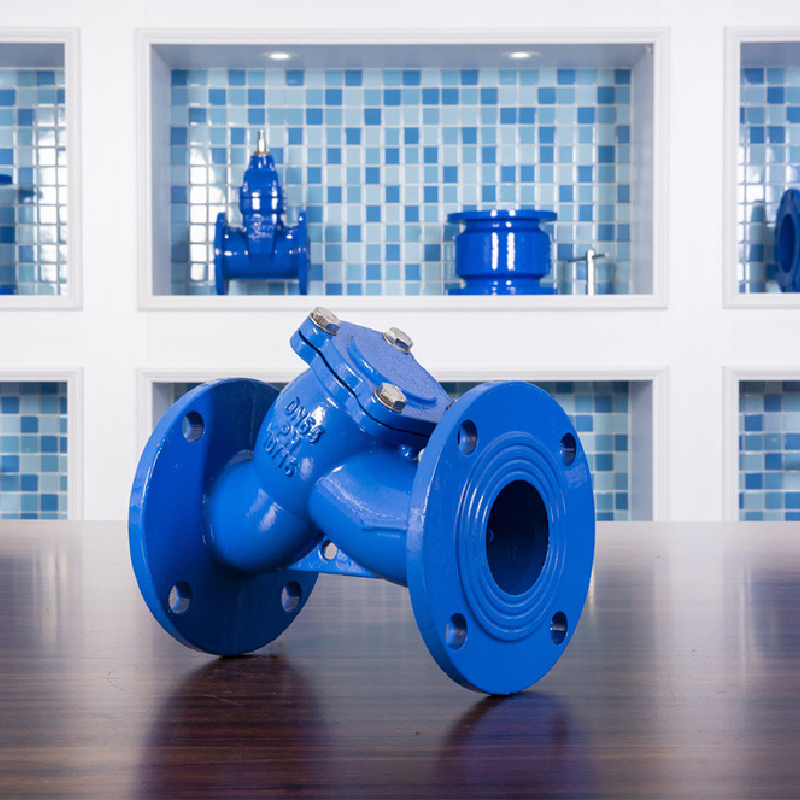
Water Hose Shutoff Valve for Easy Control and Efficient Watering Solutions
The Importance of a Water Hose Shut-Off Valve A Garden Essential In the world of gardening and outdo

What Are the Different Types of Gate Valves_
When diving into the world of industrial flow control, understanding the various types of gate valve
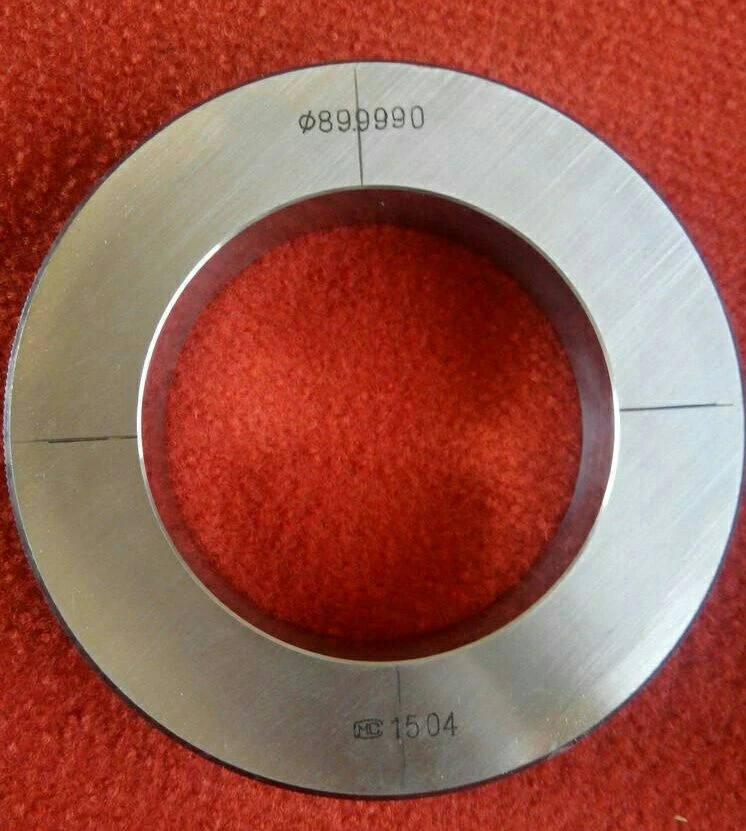
Welding and Fabrication Tables Available for Purchase Online
welding fab table for sale .
 English